
Why social connections are so important — and how to make new ones
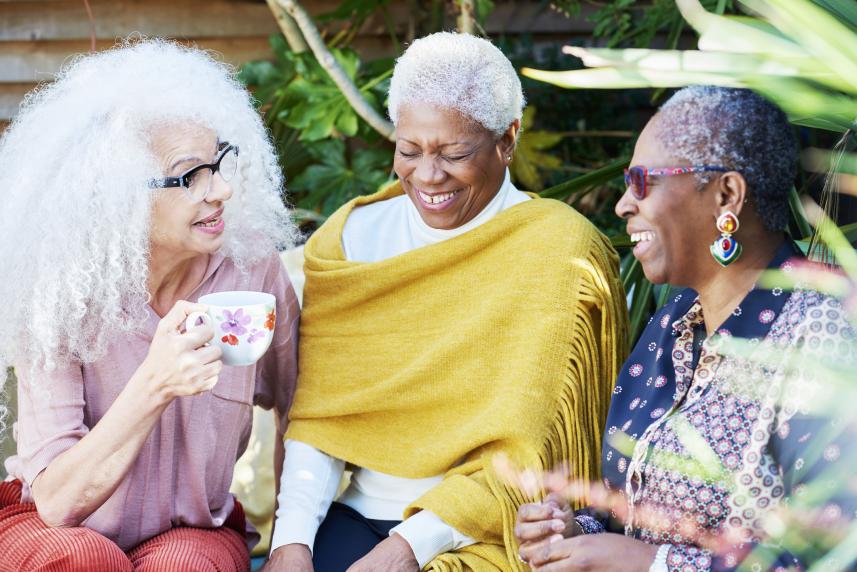
Loneliness can harm your health. Feeling connected can do the opposite. These three simple tips take the stress out of fostering relationships.
People need people. This may be a cliché. But it’s true. Our desire for connection is as much a part of our DNA as the color of our hair or the shape of our eyes. Friends and community give us energy and purpose.
However, there are times in everyone’s life when sadness, boredom, and anxiousness creep in. These feelings are associated with loneliness. And when we feel isolated, our mental health suffers. So does our overall health.
Research has shown that loneliness may boost your chances of heart disease and inflammation. It can lead to anxiety, depression, and cognitive issues as well. Loneliness has even been linked with a shorter lifespan.
Unfortunately, loneliness is a common concern now. During the pandemic, many people relocated. In-person work was replaced by remote work. And lots of us got used to staying indoors, alone.
“People are generally happier and do better in terms of not just their mental health, but with other medical conditions, if they’re in a stable relationship with a significant other,” explains Michelle Riba, MD, a clinical professor of psychiatry at the University of Michigan.
Of course, if you aren’t in a relationship right now, you can’t just snap your fingers and watch your person appear. What’s important is to have a relationship with at least one person who cares. It could be a friend, family member, or neighbor. “Having someone calling regularly, checking in, is very important to a person’s well-being,” Dr. Riba says.
Nurturing social ties can be tough when you feel down. It can be even harder for people struggling who already struggle with mental health. About 23% of the population has a mental health condition, such as anxiety, depression, or bipolar disorder. Add loneliness on top, and you can see why connecting with others and reaching out for help may feel especially difficult.
Whether you have a mental illness or not, remember not to blame yourself for feeling lonely, says Anthony F. Lehman, MD, clinical professor of psychiatry at the University of Maryland School of Medicine.
“Take steps, even baby steps, to help yourself,” Dr. Lehman advises. “Make every effort you can to maintain the relationships you do have. And reach out to those people who understand what you are struggling with.”
Creating new connections is also a great option. It may feel intimidating, but there are some simple ways to make new friendships, no matter your age. Here are three to start with.

Are you as healthy as you think you are?
Your no-cost in-home health assessment can bring peace of mind.
#1. Seek out people with common interests
Having shared interests can make it easier to develop a connection with someone new. There are many organizations that set the stage for you.
“Day programs or drop-in clubs offer structured programs that promote social interactions,” says Dr. Lehman. “It’s a chance to interact, but it’s not a really intense kind of social situation.”
Is there something you’re passionate about, such as bicycling, gardening, or going to the movies? Sites like Meetup or Eventbrite help you find a group of people who share your interests. Or maybe you want to learn something new. You can sign up for a class at your local library or community college.
Another solid meetup opportunity that will boost your physical health: fitness classes at your local gym. Check out apps such as ClassPass or SilverSneakers (if you’re 65 or older) to see what’s available.
If you’re not quite ready to meet others in person, that’s all right. Online chat and support groups can be a step in the right direction. And even spending time with a health practitioner during an in-home visit can help. These annual check-ins are available at no cost to you through your health plan. Call 877-302-3672877-302-3672 to learn more.
There are also options for people who want to connect with others who have similar mental health issues. Mental Health America is a nonprofit organization that recommends more than four dozen different support groups. Some are led by mental health professionals. Others are more informal and take place in chat rooms.
#2. Give back to your community
Local organizations that serve your city or neighborhood are often looking for help. Consider volunteering.
“Altruism and giving of yourself often helps you improve your own health,” Dr. Riba says. The simple act of focusing outside of yourself can prevent you from dwelling on negativity. Having a sense of purpose and meaning can make you feel less alone. Being needed and appreciated can boost self-esteem. And feeling better about yourself in these ways improves mental health.
To find volunteer work that matches your interests, search online for nonprofits near your home. Some areas have websites devoted to local volunteer opportunities, such as HandsOnPortland.org in Portland, Oregon, and NewYorkCares.org. You also can usually find nearby volunteer work through your local library.
Another option is to check groups that support social or health causes. Look for opportunities on sites like UnitedWay.org or VolunteerMatch.org.
#3. Feel more connected around people
Being physically isolated is an obvious reason for feeling lonely. But it’s common for people to feel disconnected and shy even when surrounded by people.
Sometimes, small talk can feel awkward or overwhelming. To get a conversation flowing, be curious. Prepare some simple questions you can ask people before you go to an event. You can ask about a recent sporting event or television show. These topics can help spark chitchat.
You can also interact with people by offering your help. If you’re at a dinner gathering, ask if you can assist with the dishes. Or maybe the host needs help serving guests. When volunteering, see if organizers need help getting people checked in.
Overall, it may take a bit of effort to make and maintain connections. But doing this can pay off in big ways — for both your physical and mental health. As Dr. Lehman puts it, “Friendship and community are healthy and necessary for all of us.”
See our sources:
Loneliness and social isolation: Centers for Disease Control and Prevention
How does social connectedness affect health? Centers for Disease Control and Prevention
Are you feeling lonely? American Heart Association
Loneliness, social isolation, and cardiovascular health: Antioxidants & Redox Signaling
Social isolation, loneliness in older people pose health risks: National Institute on Aging
Mental health by the numbers: National Alliance on Mental Illness

